COMPLETE GUIDE TO EXPLORING THIS FASCINATING COUNTRY
Tanzania, located in East Africa, is an iconic destination for travelers seeking nature, safaris, and spectacular landscapes. Renowned for its exceptional wildlife and wide open spaces, it is one of the best countries in the world to experience an authentic safari.
The country is home to world-famous natural sites such as Kilimanjaro, Africa’s highest peak, and the Serengeti National Park, renowned for its biodiversity and vast plains. Tanzania offers a wide variety of landscapes, ranging from savannahs to lakes, mountains and tropical beaches.
Its official capital is Dodoma, while Dar es Salaam is the main economic city. Tanzania attracts many visitors every year thanks to its rich culture, diverse wildlife, and the possibility of combining a safari in Tanzania with a beach vacation in Zanzibar.
NATIONAL PARKS
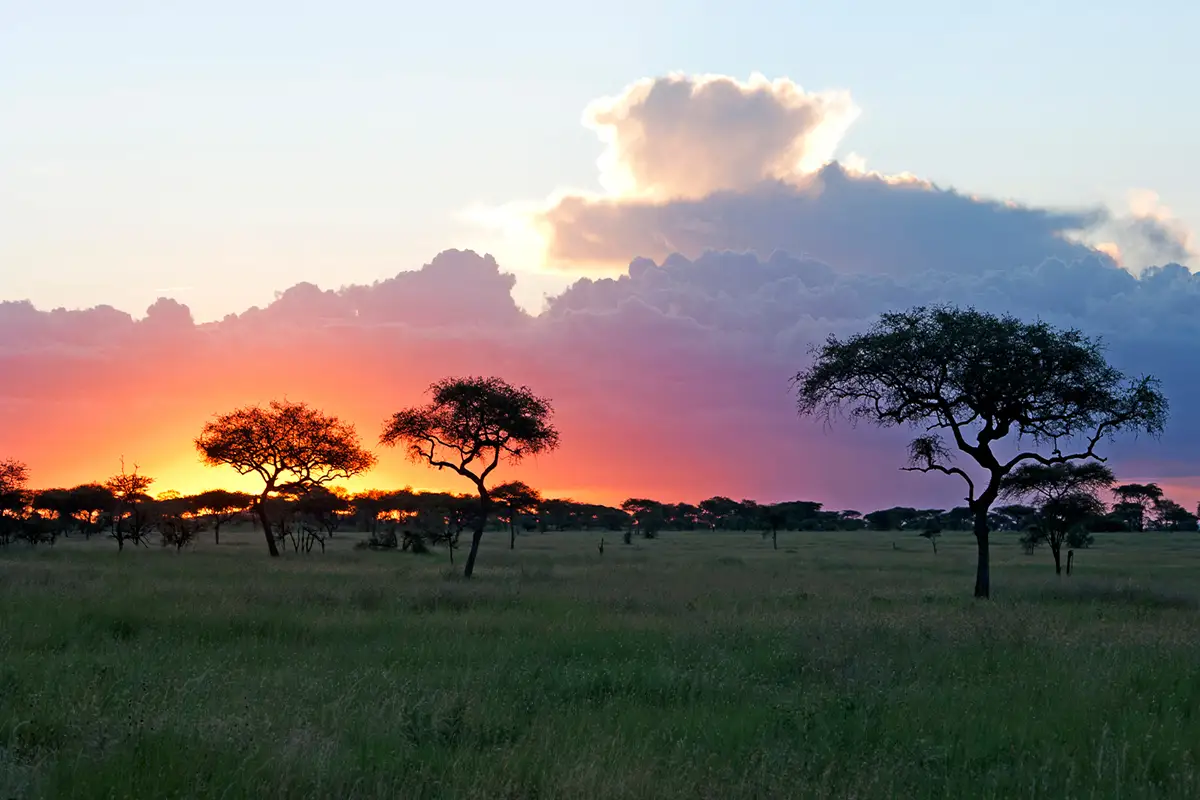
Tanzania is undoubtedly one of the most iconic destinations for an unforgettable African safari.
With its exceptional wildlife and breathtaking landscapes, it offers travelers a total immersion in the heart of the wilderness.
Among the most unmissable sites are:
Serengeti National Park
Ngorongoro Crater
Tarangire National Park
THE PARADISICAL BEACHES OF ZANZIBAR
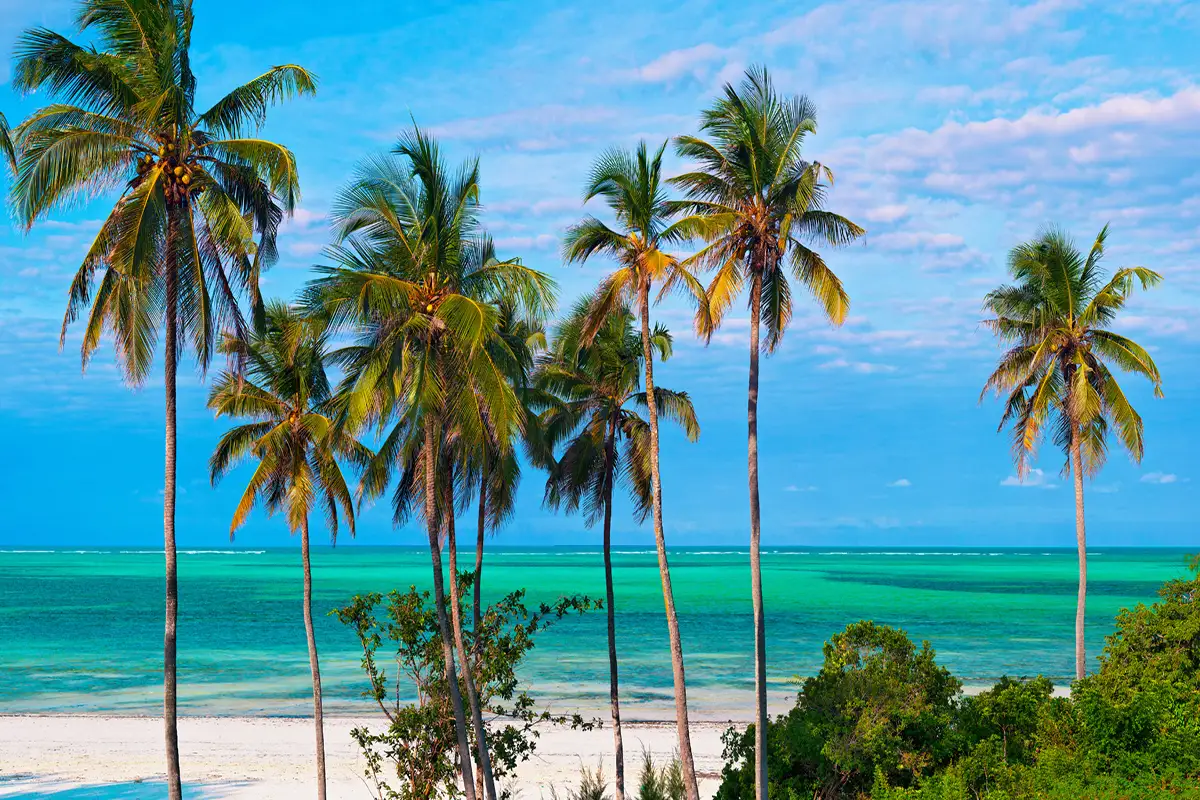
The Zanzibar archipelago, located off the coast of Tanzania, is renowned for its white sandy beaches and turquoise waters. It is an ideal destination to relax after a safari. Not to be missed:
Stone Town: a historic city with Arabic and European influences.
Nungwi and Kendwa: paradise beaches perfect for swimming.
Jozani Forest: a forest home to red colobus monkeys, a species endemic to Zanzibar.
THE ASCENT OF KILIMANJARO
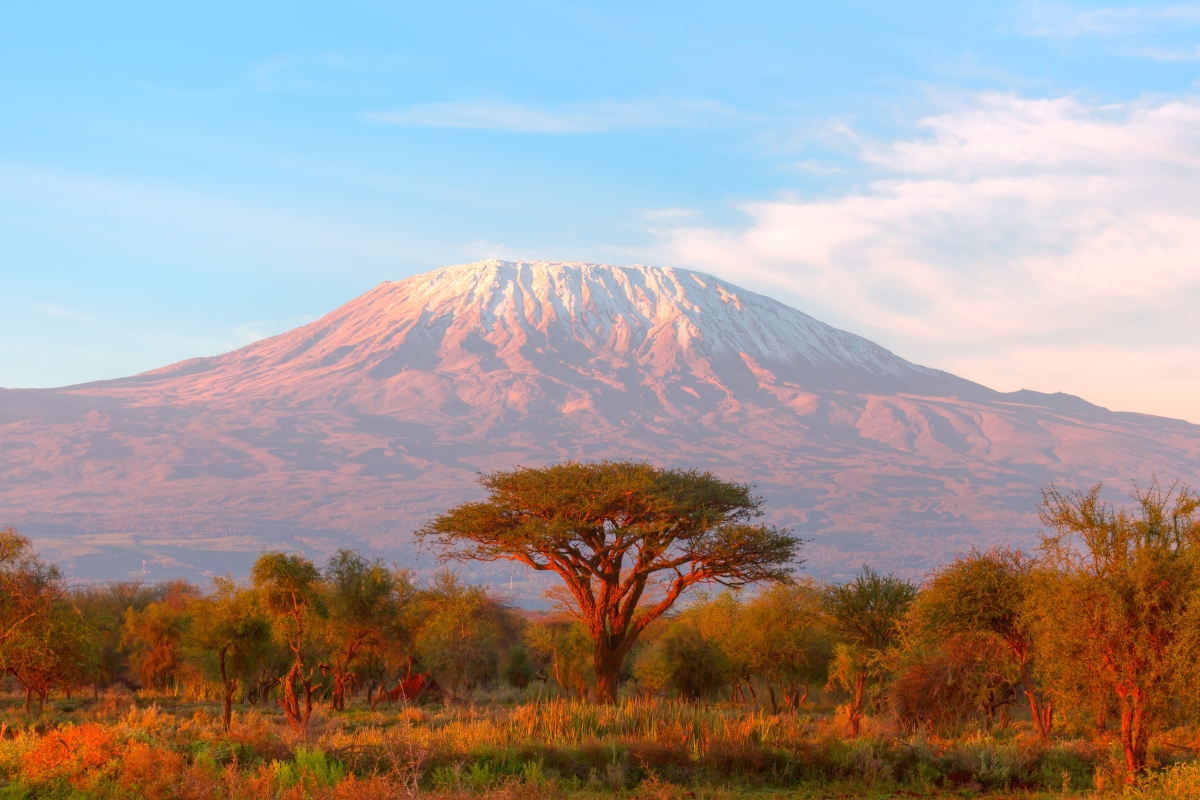
Kilimanjaro, rising to 5,895 meters, is the highest peak in Africa. Every year, thousands of hikers attempt to climb this legendary volcano. There are several possible routes, such as the Machame route or the Marangu route.
THE DIFFERENT ETHNIC GROUPS
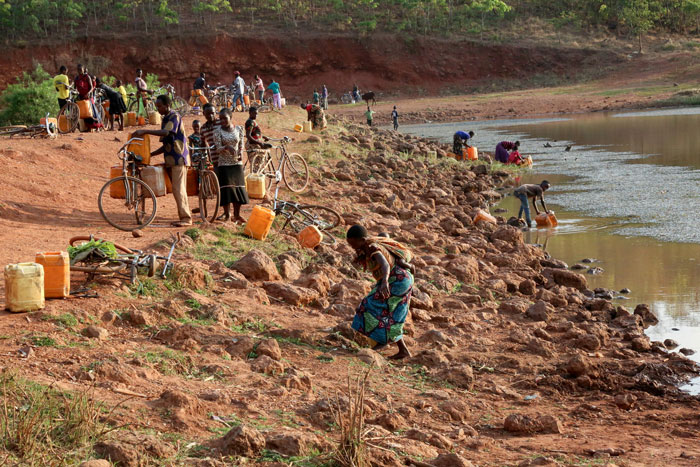
Tanzania is one of the most ethnically diverse countries in Africa, with more than 120 ethnic groups spread across the country. This cultural richness is reflected in the wide variety of languages spoken, although two official languages, Swahili and English, facilitate communication between different communities.
THE SAKUMA (approximately 16% of the population):
The largest ethnic group in Tanzania, representing 8 to 10 million people.
Mainly settled in the Lake Victoria region (Mwanza, Shinyanga, Geita).
Traditionally farmers and herders, growing cotton, corn, and cassava.
LANGUAGES IN TANZANIA
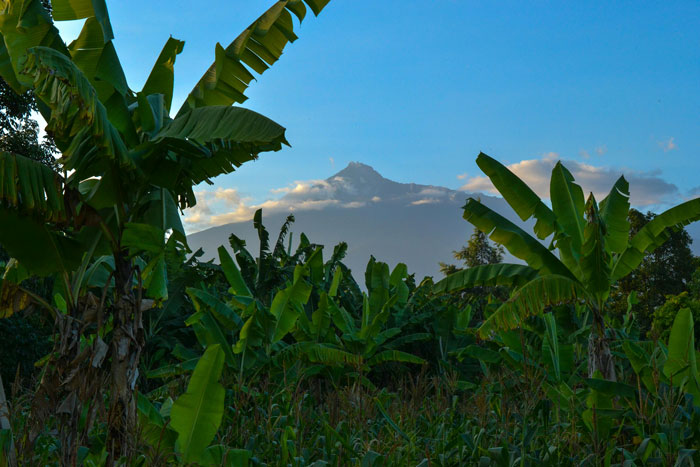
Tanzania’s ethnic diversity is reflected in its rich linguistic heritage. There are over 100 languages spoken in the country, most of which belong to the Bantu family.
Swahili: official and national language
It serves as a common language between the country’s different ethnic groups.
Taught from primary school onwards, it is spoken by nearly 90% of the population, although for many it is not their mother tongue.
Its use has spread to other East African countries (Kenya, Uganda, Rwanda, DRC).
A few words: Jambo (Hello), Karibu (Welcome), Asante (Thank you), Pole (Sorry)
NATIONAL PARKS
Tanzania is one of the best destinations in the world for an African safari.
Among the must-see sites are:
Serengeti National Park
Ngorongoro Crater
Tarangire National Park
THE ASCENT OF KILIMANJARO
Kilimanjaro, rising to 5,895 meters, is the highest peak in Africa. Every year, thousands of hikers attempt to climb this legendary volcano. There are several possible routes, such as the Machame route or the Marangu route.
THE PARADISICAL BEACHES OF ZANZIBAR
The Zanzibar archipelago, located off the coast of Tanzania, is renowned for its white sandy beaches and turquoise waters. It is an ideal destination to relax after a safari. Not to be missed:
Stone Town: a historic city with Arabic and European influences.
Nungwi and Kendwa: paradise beaches perfect for swimming.
Jozani Forest: a forest home to red colobus monkeys, a species endemic to Zanzibar.
LANGUAGES AND ETHNIC GROUPS IN TANZANIA
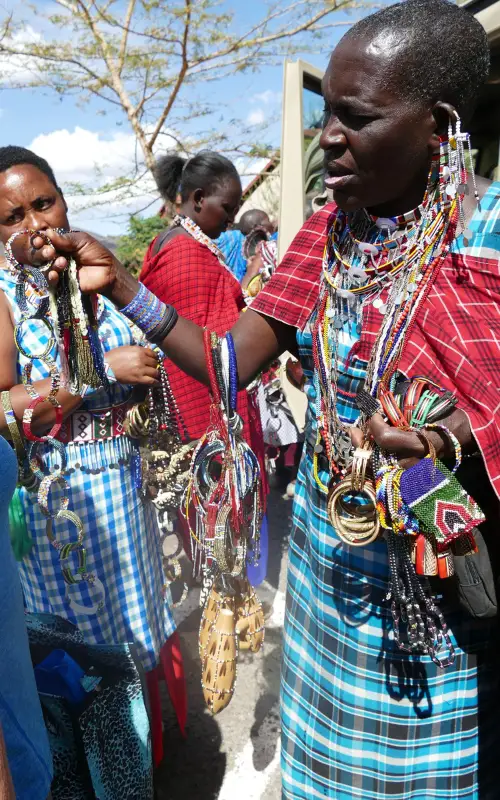
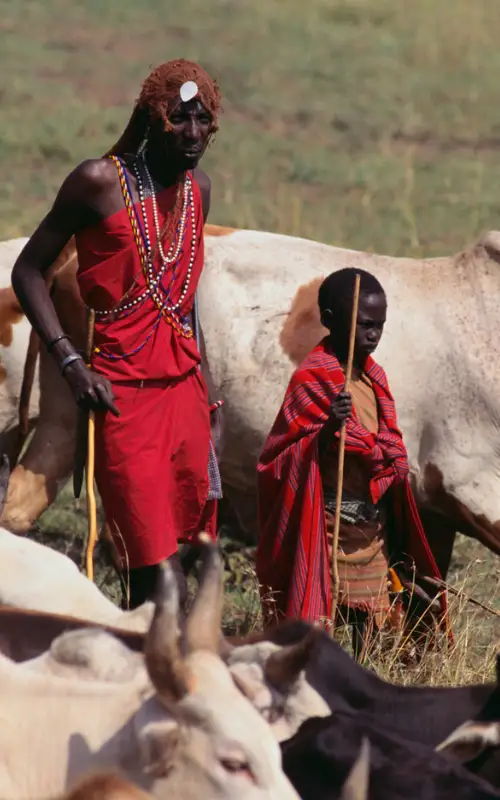
Tanzania is one of the most ethnically diverse countries in Africa, with more than 120 ethnic groups spread across the country. This cultural richness is reflected in the wide variety of languages spoken, although two official languages, Swahili and English, facilitate communication between different communities.
THE MAIN ETHNIC GROUPS IN TANZANIA

THE SAKUMA (approximately 16% of the population):
The largest ethnic group in Tanzania, representing 8 to 10 million people.
Mainly settled in the Lake Victoria region (Mwanza, Shinyanga, Geita).
Traditionally farmers and herders, growing cotton, corn, and cassava.
THE NYAMWEZI (approximately 10% of the population)
They live in the central and western regions of the country (Tabora, Singida).
They are herders and farmers, growing corn, rice, and tobacco.
THE CHAGGA (approximately 6% of the population)
They live primarily on the slopes of Mount Kilimanjaro, in the Moshi region.
They are renowned for their coffee farming, one of the country’s main exports.
LANGUAGES IN TANZANIA
Tanzania’s ethnic diversity is reflected in its remarkable linguistic richness. The country boasts over 100 languages, the majority of which belong to the Bantu family, alongside Nilotic and Cushitic languages. This linguistic plurality illustrates Tanzania’s history and cultural diversity, where numerous communities with distinct traditions coexist.
Swahili: the official and national language of Tanzania
Swahili (kiswahili) is the official and national language of Tanzania. It plays a vital role in communication between different ethnic groups and is a true factor of national unity. Taught from primary school onwards, Swahili is spoken and understood by nearly 90% of the population, even if it is not always their first language.
Its use extends far beyond the country’s borders and reaches several regions of East Africa, including Kenya, Uganda, Rwanda, and the Democratic Republic of Congo. For travelers, especially those on safari in Tanzania, knowing a few words of Swahili facilitates communication and allows for a more authentic cultural immersion.
Some useful Swahili words:
Jambo: Hello
Karibu: Welcome
Asante: Thank you
Pole: Sorry / Take care