Lion, leopard, rhino, elephant, buffalo. Five names that spark the imagination, five silhouettes every visitor hopes to spot around the next bend of a Tanzanian trail. The term “Big Five” is on every brochure, on everyone’s lips, in every travel journal. And yet, at Les 1001 Pattes Horizons, we’ve chosen to step back from it a little — and take you to meet the Big Nine instead.
Let us explain why.
Where does the term “Big Five” actually come from ?
Contrary to popular belief, the term “Big Five” never referred to Africa’s five largest animals. It’s not about size — it’s about danger.
The expression dates back to the colonial era, coined by big-game hunters to describe the five animals considered the most difficult and dangerous to hunt on foot: the lion, the leopard, the rhino, the elephant, and the buffalo. It wasn’t a ranking of wild beauty, but a ranking of risk — these five were known for charging, turning on the hunter, and rarely giving a second chance if the first shot missed.
The trophies they represented — ivory, horn, hide — fuelled decades of trade and intensive hunting, before the term was gradually reclaimed by wildlife tourism from the mid-20th century onward, becoming the marketing phrase we know today.
A connotation that no longer sits right with us
It’s precisely this origin that gives us pause. The safari experience we design at Les 1001 Pattes Horizons has nothing to do with the hunt — it’s an invitation to observe, to be patient, to feel quiet wonder. Yet the term “Big Five,” even in its very sound, still carries the echo of game to be aimed at, rather than wildlife to be admired.
We don’t deny the history behind the term — it’s part of East Africa’s story, and one worth knowing. But we refuse to keep repeating it without question. To speak of the “Big Five” is to keep measuring the savannah through the sights of a rifle, without even realizing it. We prefer a different lens.
The five historic legends
Before we introduce the four newcomers, a quick reminder is in order: who exactly are these five “legends”?
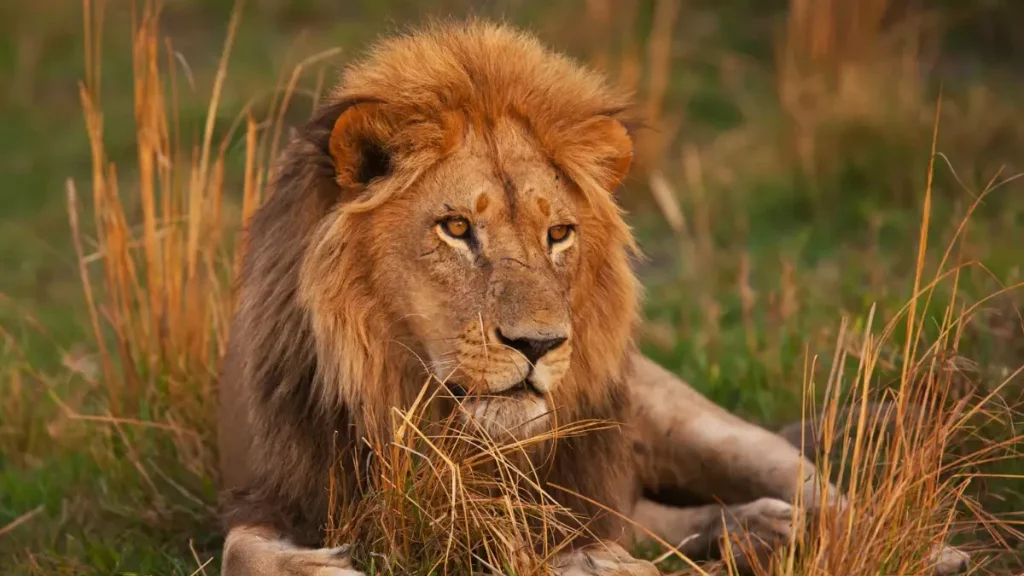
The lion
Nicknamed the king of the savannah, it lives in prides and is easily recognized by the dominant male’s mane. It’s the most sought-after sighting on any safari, often spotted resting in the shade of an acacia tree or out on a nighttime hunt.
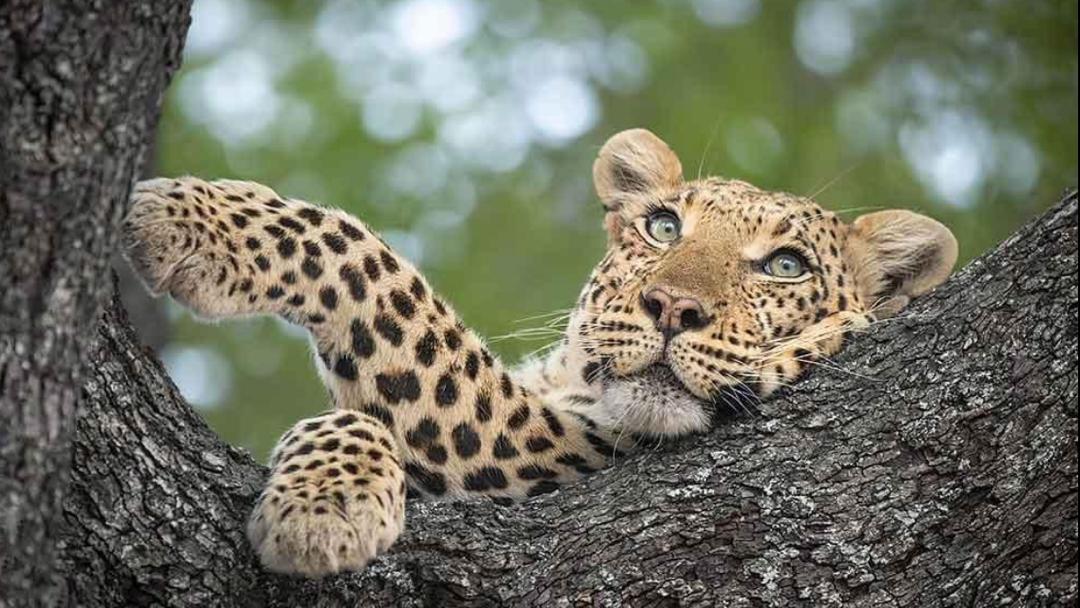
The leopard
The most elusive of the five. Solitary and nocturnal, it excels at blending into the branches, where it hoists its prey out of scavengers’ reach. Its rarity makes it the most prized sighting of them all.
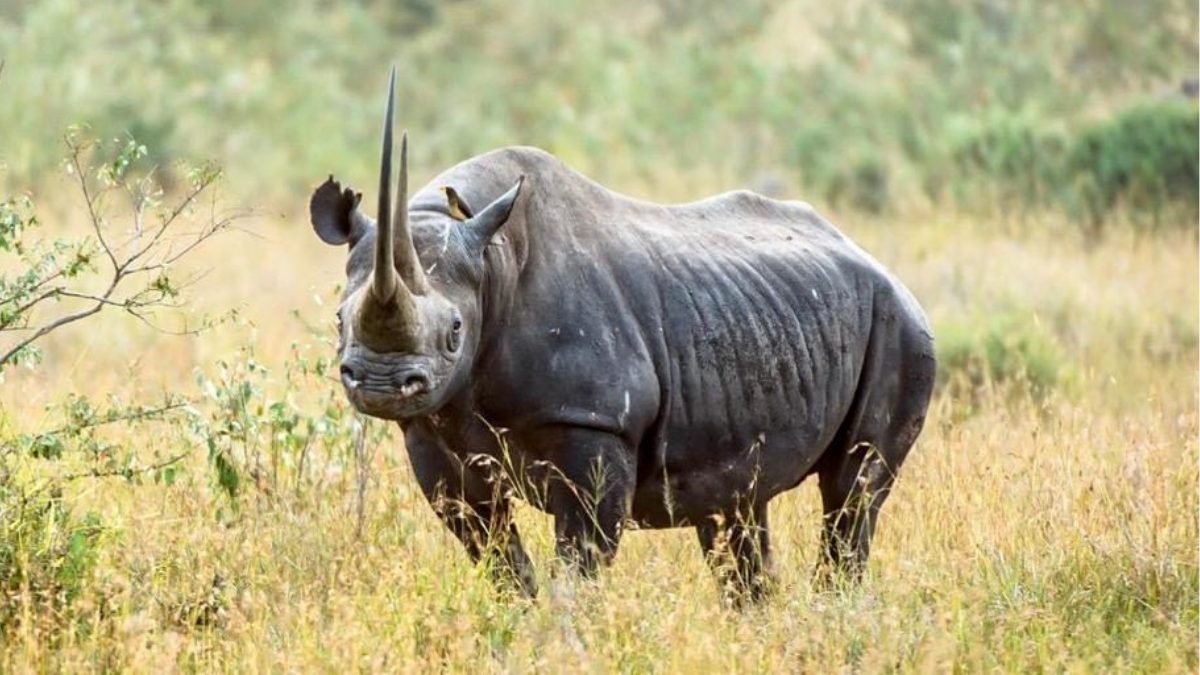
The rhinoceros
Black or white, it’s now the most endangered of the Big Five, a victim of poaching for its horn. Spotting one in Tanzania — especially in the Ngorongoro Crater — is an increasingly rare privilege.
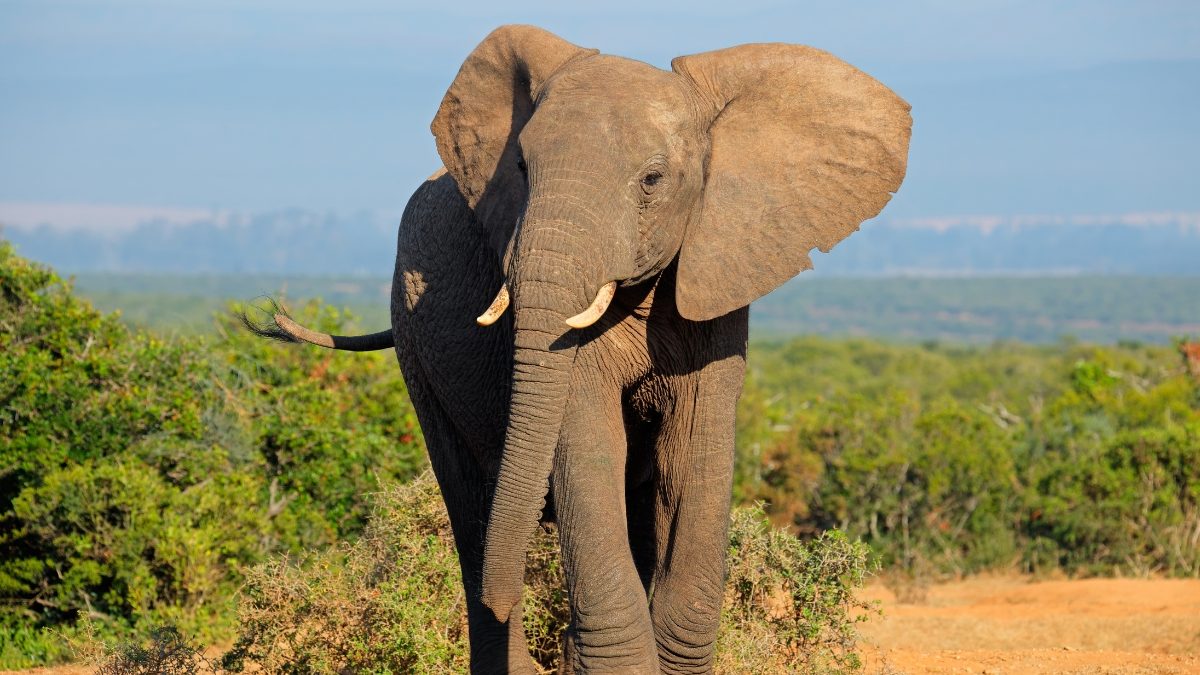
The elephant
The largest land mammal, living in tight-knit matriarchal herds. Its intelligence and memory make it one of the most fascinating animals to watch over the course of a safari.
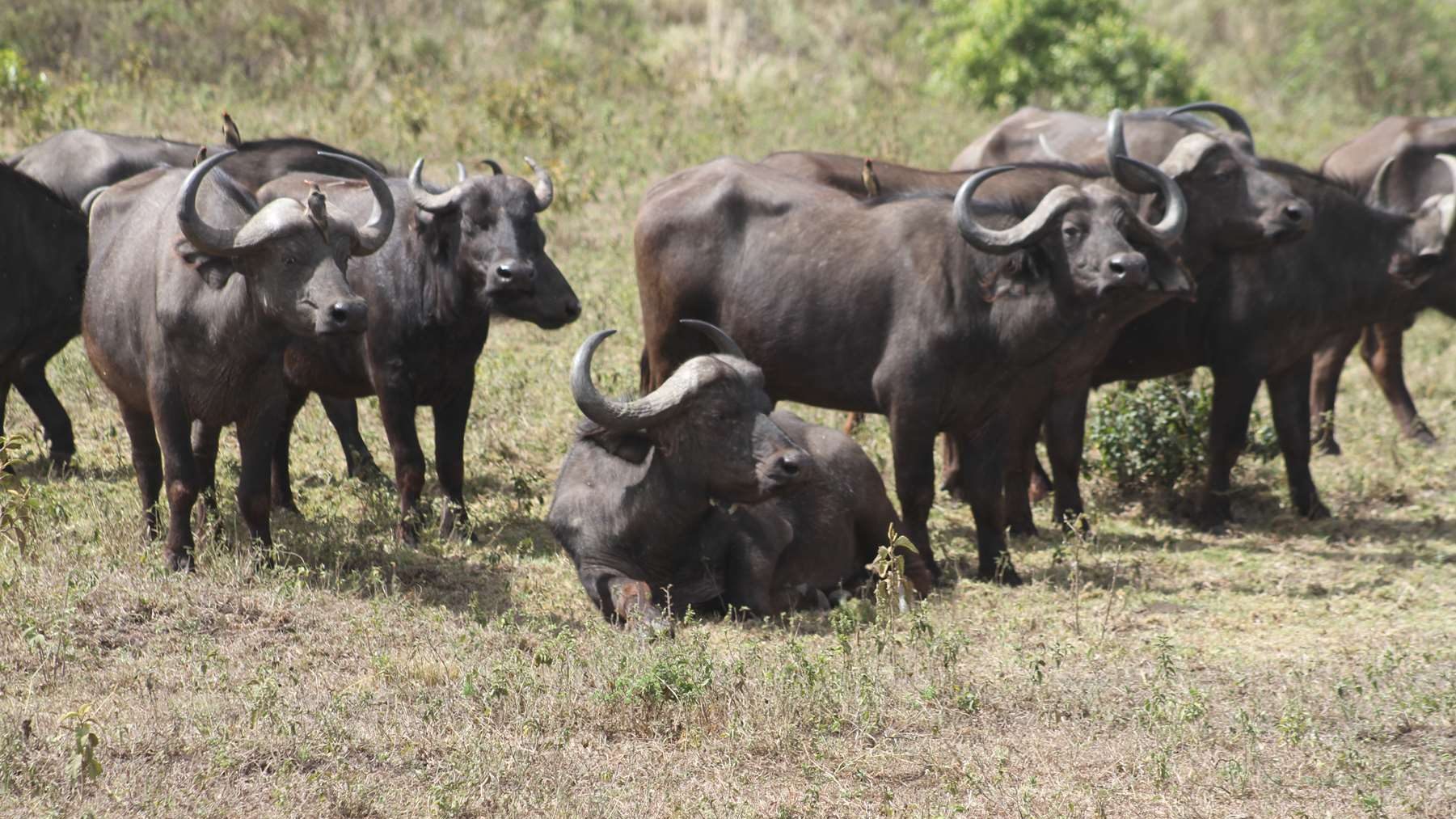
The buffalo
Nicknamed “the black death” by early hunters, unpredictable and powerful, it moves in large herds and can prove formidable when it feels threatened.
Welcome to the Big Nine
That’s why, on our safaris through the Serengeti, Ngorongoro, Tarangire, or Lake Manyara, we take you to discover the Big Nine: the five historic legends, joined by four more giants of the savannah — every bit as spectacular, and often much easier to spot.
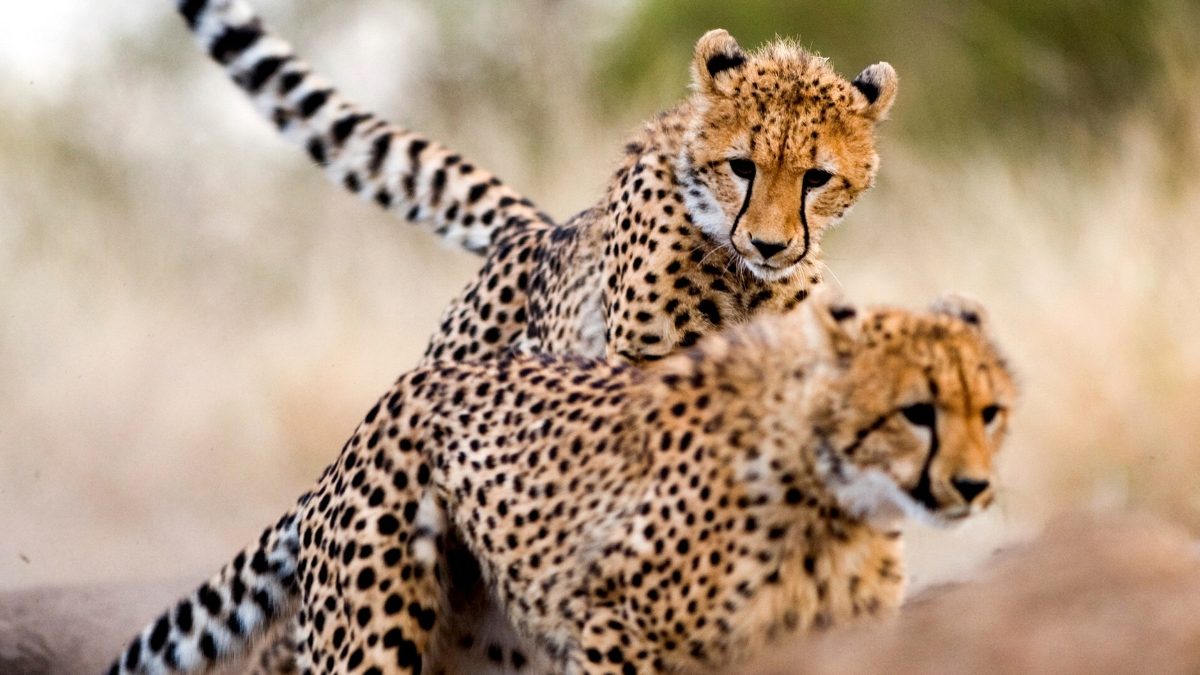
The cheetah
The fastest land mammal on Earth, capable of bursting to speeds over 100 km/h in short chases. Unlike the leopard — with which it’s often confused because of its spotted coat — the cheetah hunts in broad daylight, its lean silhouette and gaze marked by those famous black “tear lines.” Spotting one perched motionless on a termite mound, scanning the horizon, is one of the great moments of a safari.
The hippopotamus
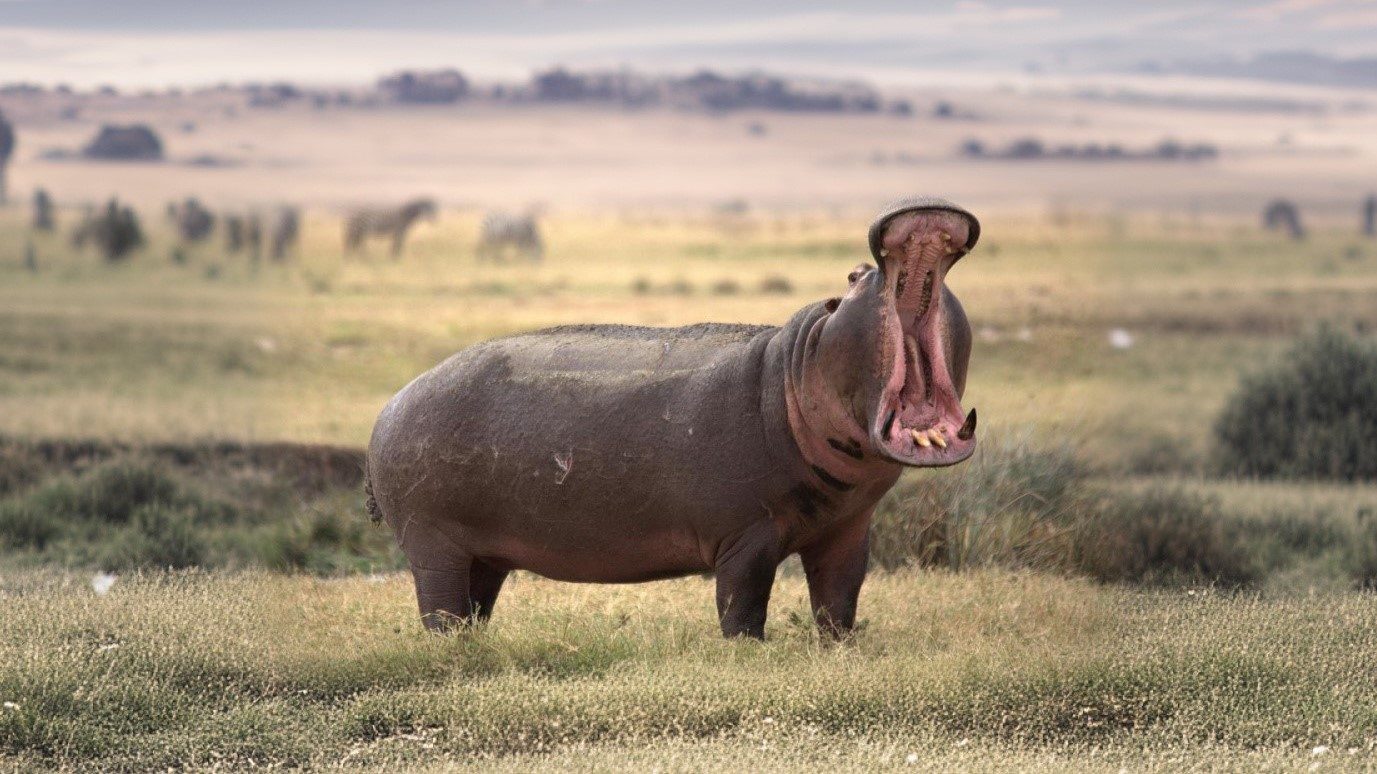
Massive and nearly motionless by day, the hippo spends most of its time submerged in rivers and waterholes, only its eyes and nostrils breaking the surface. It’s a deceptive image — this is actually one of Africa’s most dangerous land mammals, capable of fearsome aggression when it feels threatened.
The zebra
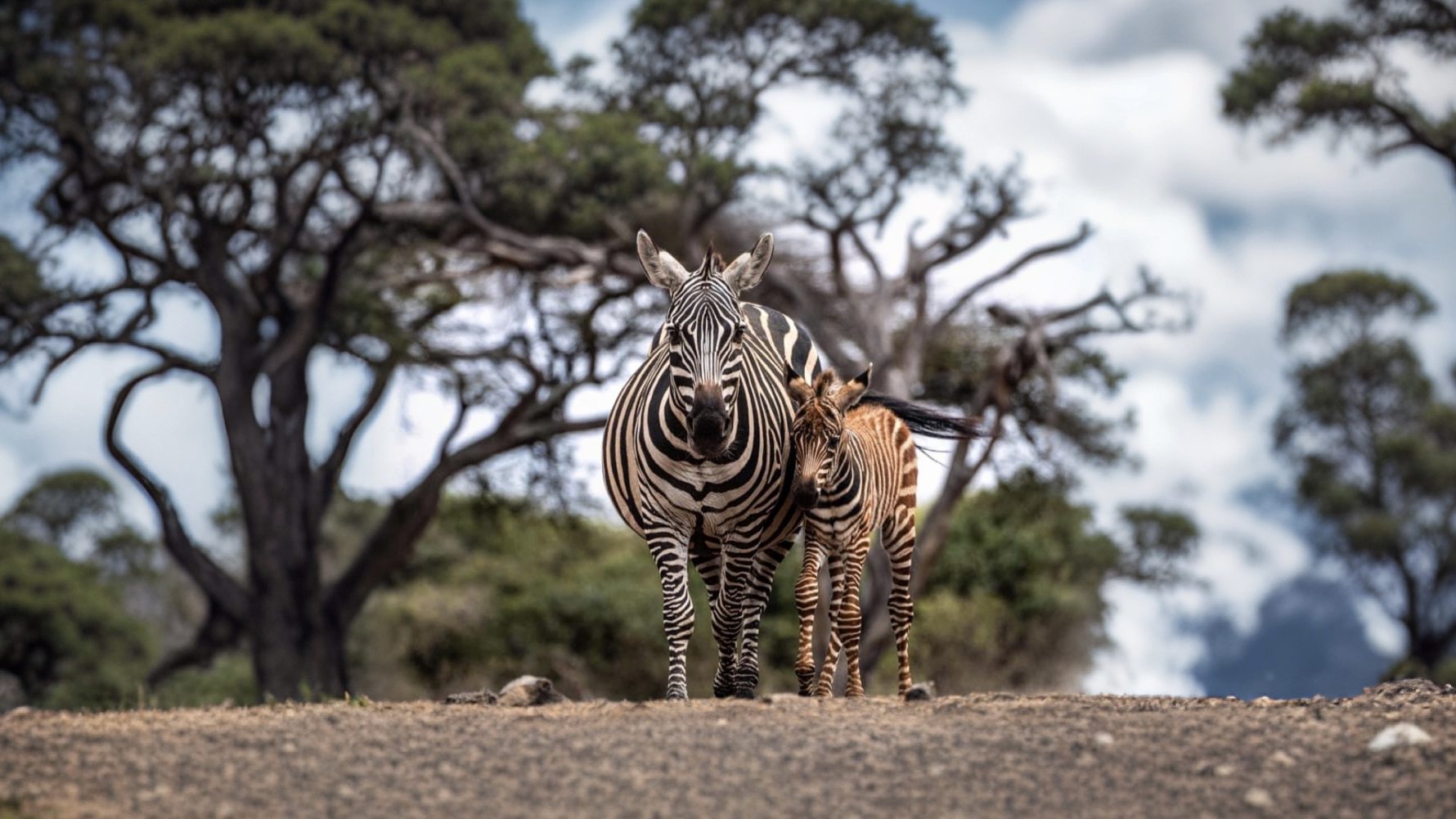
A common sight across the Serengeti plains, the zebra is far from a mere extra in the scene. Its stripes — as unique to each individual as a fingerprint — serve a purpose still debated by scientists: collective camouflage, temperature regulation, or protection against biting insects. Its vast herds, mingling with wildebeest during the Great Migration, create one of the savannah’s most striking spectacles.
The hippopotamus
Massive and nearly motionless by day, the hippo spends most of its time submerged in rivers and waterholes, only its eyes and nostrils breaking the surface. It’s a deceptive image — this is actually one of Africa’s most dangerous land mammals, capable of fearsome aggression when it feels threatened.
The giraffe
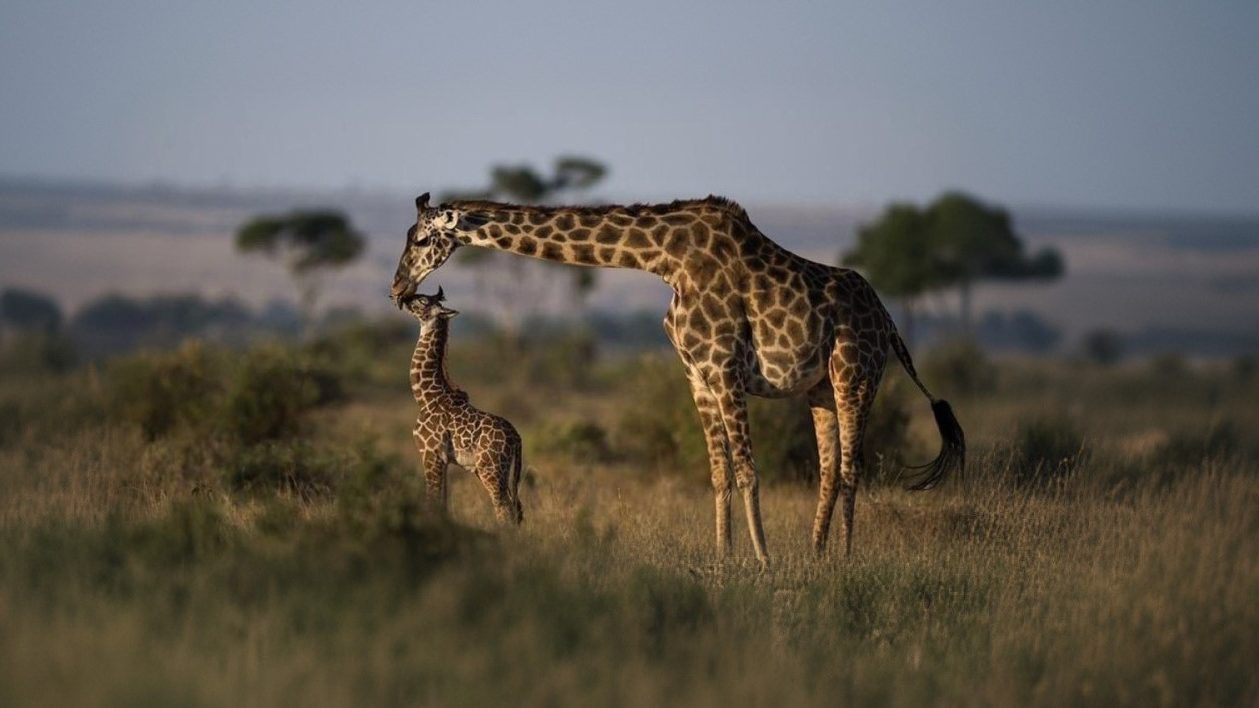
The most instantly recognizable silhouette on the continent, the giraffe watches over the savannah from up to five meters tall. Its long neck, large eyes, and almost choreographed gait make it an unmissable photo subject — and its presence, often solitary or in small groups, punctuates every game drive.
Nine reasons to be amazed, not five
In moving from the Big Five to the Big Nine, we’re not looking to diminish the historical or symbolic weight of the original five. We simply want to widen the lens: a great safari isn’t about ticking off a list inherited from another era. It’s an immersion in a living ecosystem, where every encounter — expected or not — has its place.
At Les 1001 Pattes Horizons, we’d rather talk to you about nine giants to observe than five trophies to check off. It’s, in our view, a truer way — and one more faithful to the spirit of safari — to tell the story of Tanzania.
And of course, the Tanzanian savannah isn’t just about nine animals — wildebeest, antelope, and many other species deserve just as much of your attention. In fact, if the Great Migration intrigues you, our dedicated article on wildebeest and this spectacular phenomenon has much more to tell.: https://safari-les1001pattes.com/en/the-great-wildebeest-migration-africas-most-spectacular-natural-show/
Ready to set off in search of the Big Nine in the Serengeti, Ngorongoro, or Tarangire? Get in touch to build your tailor-made safari. : contact@safari-les1001pattes.com